Canada in 10 Objects
Game: Curators' Cut: teams pitch an object, then post sticky-note tickets to build a 5-object museum.
Become museum curators: pitch one of ten objects, then the class picks the five that tell Canada's story.
Whose stories made Canada, and why do they still matter?
31 ready-to-teach lessons that end with a real class-published book in the school library. Every lesson has a game, a slideshow, a one-page teacher card, an answer key with sources, and Grade 5/6 and 6/7 split-grade lanes. 3 of 31 lessons ready.
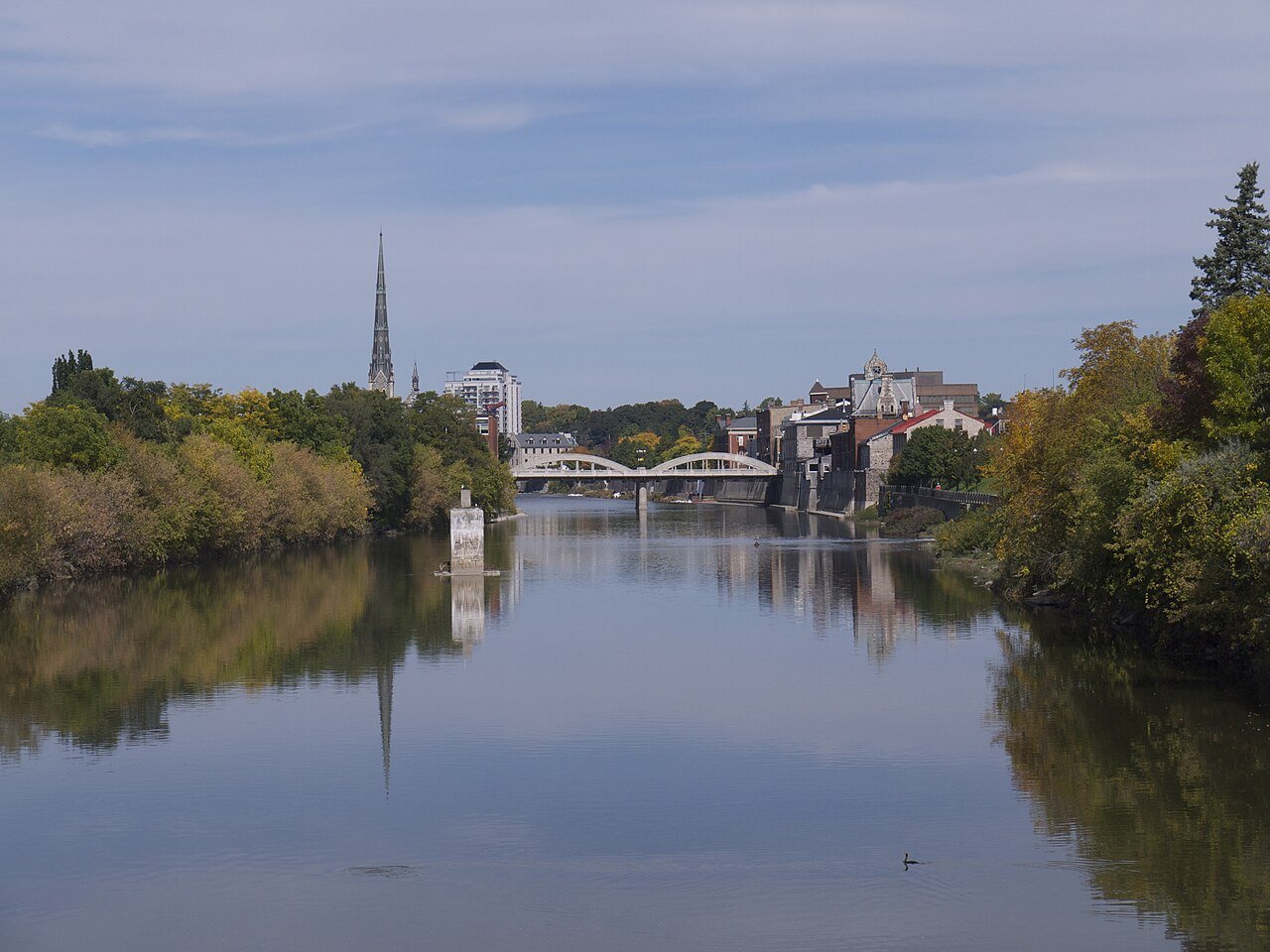
Start local: our land, our town, why people come.
Game: Curators' Cut: teams pitch an object, then post sticky-note tickets to build a 5-object museum.
Become museum curators: pitch one of ten objects, then the class picks the five that tell Canada's story.
Game: Map Detective: clue race across the map.
Find our school on a map of the Haldimand Tract and read what the treaty promised.
Game: Identity Draft: teams draft 3 Canadian symbols (one built, one physical, one social) and defend each pick.
Leveled reading on built, physical and social features that shape how we see Canada.
Families draw life cards (famine, war, a letter from a cousin) and decide whether to stay or go.
Use old photos and newspapers to see why our region's biggest city changed its name in 1916.
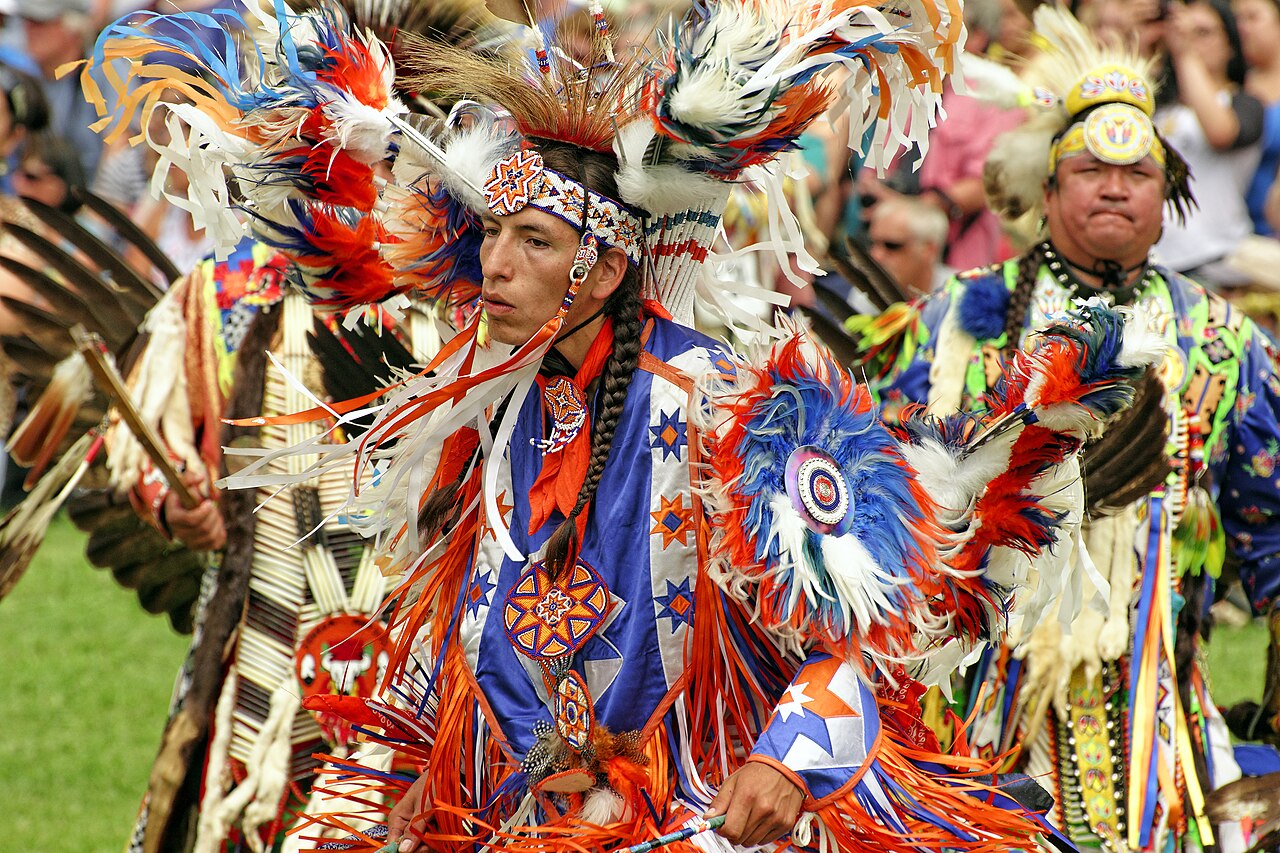
First Nations, Métis, and Inuit contributions, perspectives, and history.
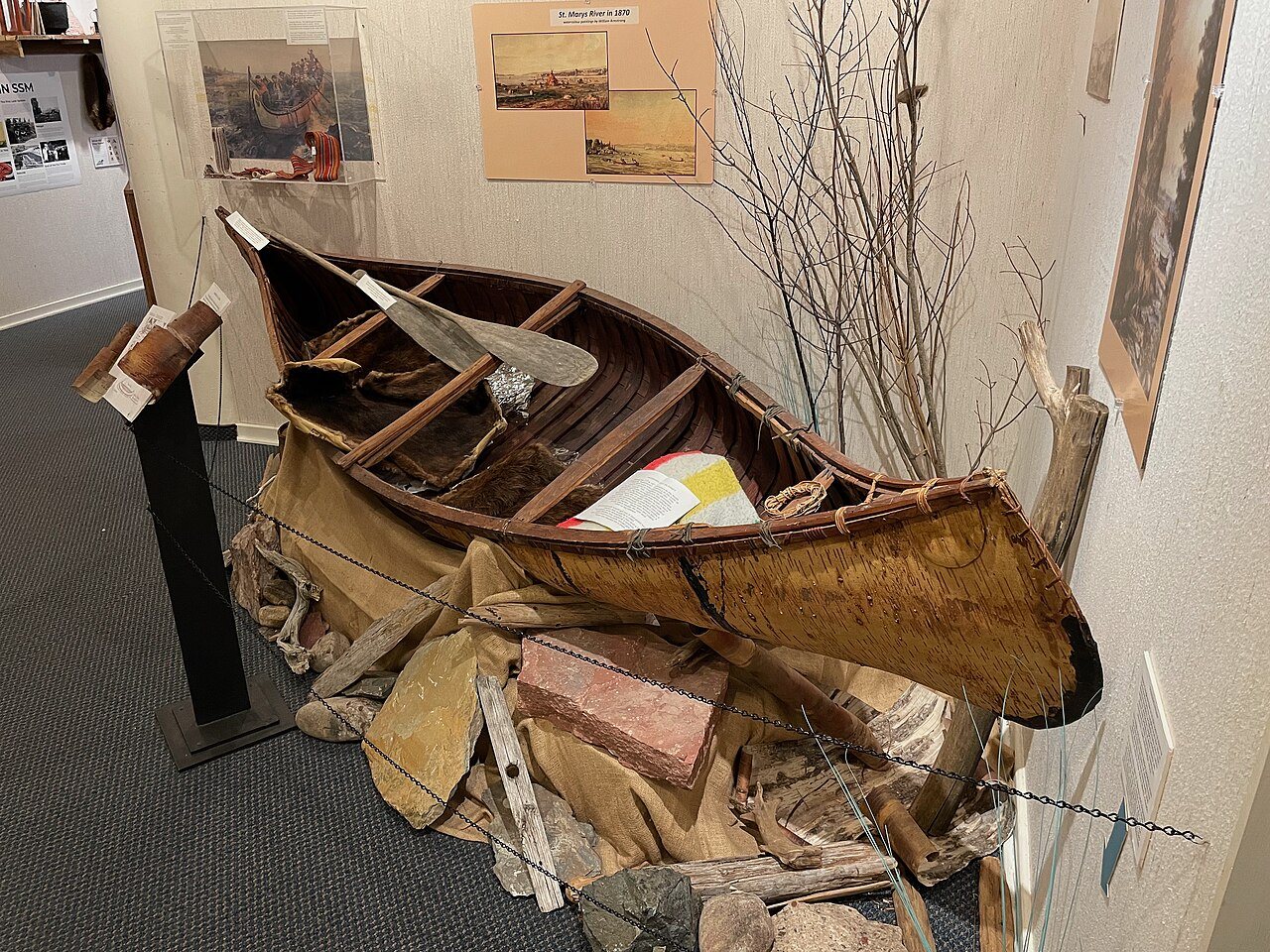
Leveled reading on canoes, kayaks, medicines, travel knowledge and Haudenosaunee democracy.
Study the Two Row Wampum as a primary source. What did each side agree to?
The same treaty from a First Nations view and a government view.
A carefully framed reading built around survivor voices.
Inuit knowledge of the land, Nunavut (1999), and historic Métis communities in Ontario.
Settler and newcomer communities, and how groups met.
French and British roots, bilingualism, and the expulsion of the Acadians.
The 1793 Act Against Slavery and Underground Railroad settlements in southwestern Ontario.
Photos of the last spike: who's in them, who's missing, and why. Chinese railway workers and the head tax.
Japanese Canadian relocation in WWII and the 1988 redress, from three perspectives.
Canada's first synagogue (1768), equal rights (1832), Mount Sinai Hospital (1923), and the impact of antisemitism.
A day in a settler family's life (land, work, food, faith), compared with a First Nations community.
Fur-trade cooperation and conflict between First Nations, French and British traders.
Who pushed Canada toward inclusion, and how far it has come.
Viola Desmond, women's rights, disability rights, the Charter.
Take a stand on a 1–10 line and move only when someone shows evidence.
Review game across Acts 1–4, which doubles as a quick check before the book starts.
From question to published chapter. Studio days double as Language writing time.
Read two model chapters and find the six parts every chapter has.
Pick a topic from the menu of 35 and level up a personal question.
Use your evidence pack: 3 facts, 2 sources.
Sort perspectives, then decide why your moment mattered.
Make your chapter's map or image, plus a caption.
Plan the chapter and write the opening line.
Draft the story scene at the heart of the chapter.
Write the significance paragraph and the source box.
Peer conference, then revise.
Final chapter and self-check. The chapter rubric is the summative piece.
Read aloud, sign copies, and shelve Vol. 1 in the library with families there.
Every fact and every photo is credited inside its lesson. Heritage Minutes are linked to historicacanada.ca, never copied. No student information is stored on this site.