Our Canada · Lesson 1
Canada in 10 Objects
Every object is a piece of Canada’s story.
Who gave it to us?
Hockey Stick
Warm-up · Watch a curator think
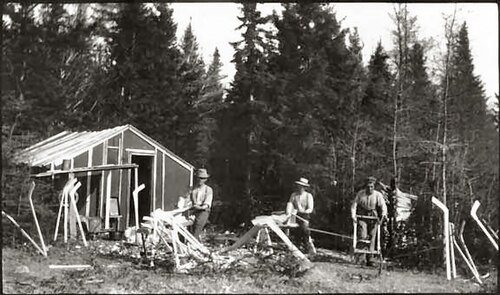
Carved from a single piece of ironwood in Nova Scotia. Stores across Canada sold them by the early 1900s.
A
British soldiers
B
Mi’kmaq
C
Ukrainian settlers
D
Inuit
Photo: public domain, photographer unknown
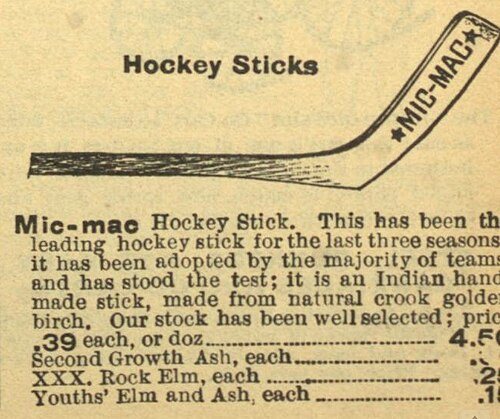
Hockey Stick
Warm-up · Answer
A
British soldiers
B
Mi’kmaq
C
Ukrainian settlers
D
Inuit
Mi’kmaw craftspeople carved early hockey sticks from one piece of ironwood, later yellow birch or ash. Eaton’s sold “Mic-Mac” sticks in its 1904 catalogue.
Source: Canada’s History · Eaton’s catalogue, 1904 · public domain
Today’s job
You are the curators.
Our museum has room for only 5 of Canada’s 10 objects. You decide which ones make it.
1 · Investigate
Your team gets one object and a curator card.
2 · Pitch
30 seconds to convince the class it belongs.
3 · Tickets
Every team gives out 5 museum tickets. Top 5 get in.
How curators decide
The Curator’s Tests
1
Did it change many lives?
2
Does it still matter today?
3
Does it tell a story people often miss?
Sample ticket
Hockey stick
Test 2: still matters
Fact: Mi’kmaw makers carved early sticks from one piece of wood.
8 minutes
Investigate
1 Read your curator card.
2 Answer the three tests with facts.
3 Plan a 30-second pitch.
Secret rule: don’t say the community’s name. Let the class guess.
Team 1 · Canoe
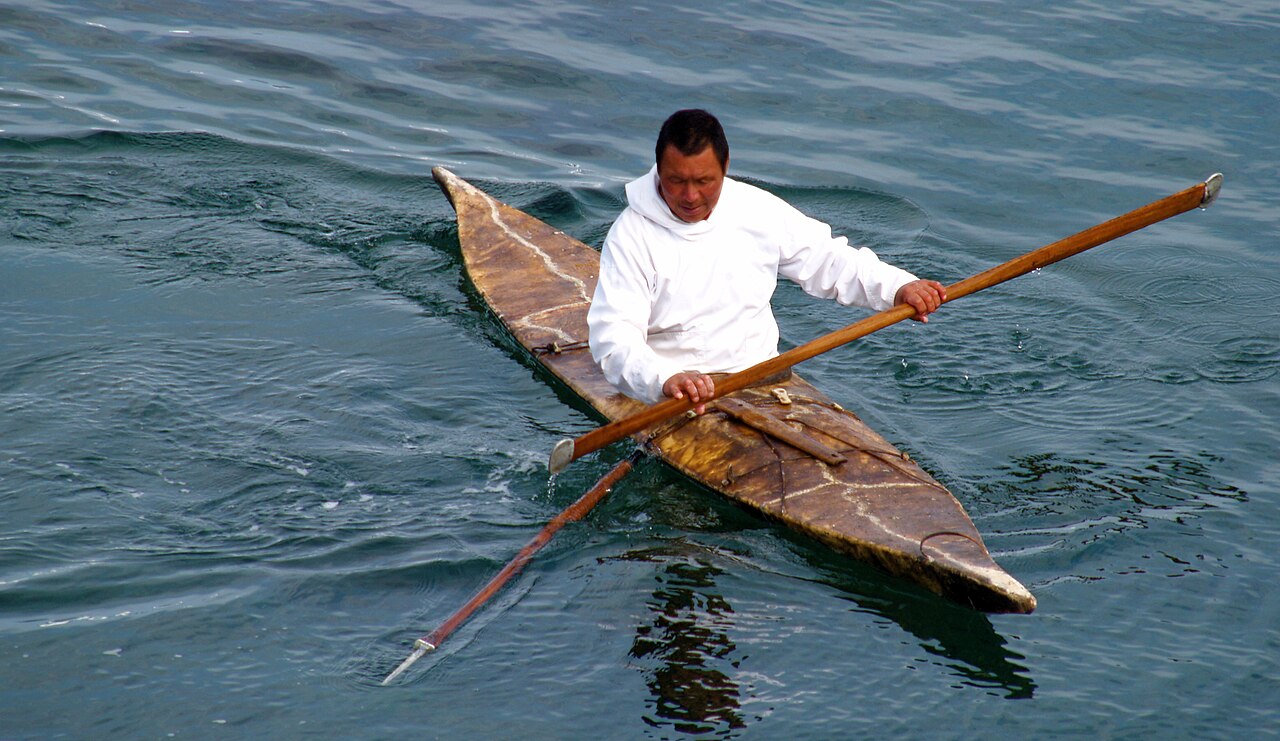
Team 2 · Kayak
Team 3 · Sash
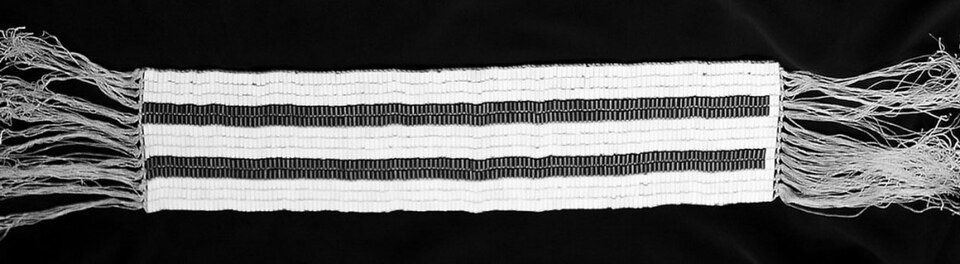
Team 4 · Wampum
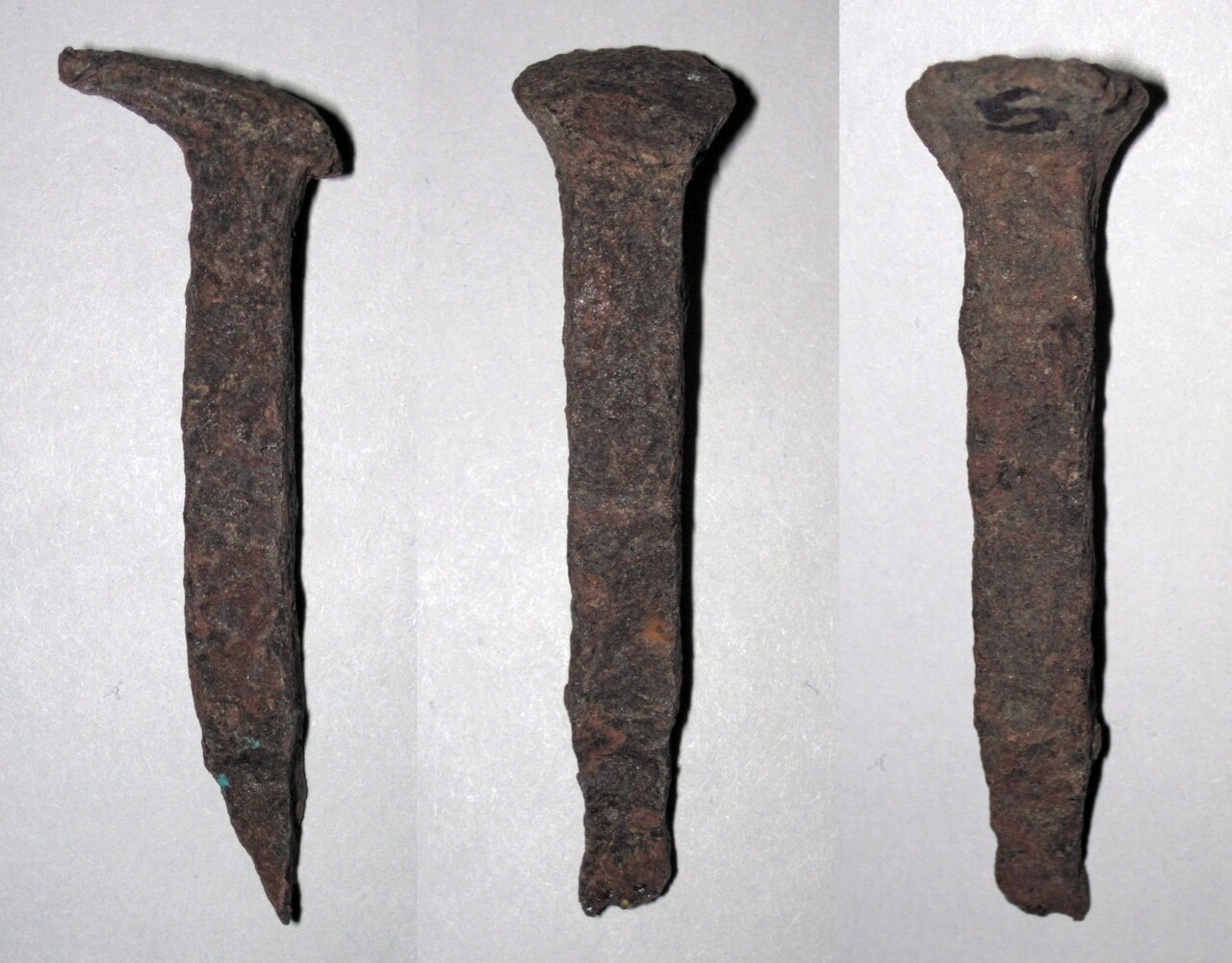
Team 5 · Spike
Team 6 · Flag
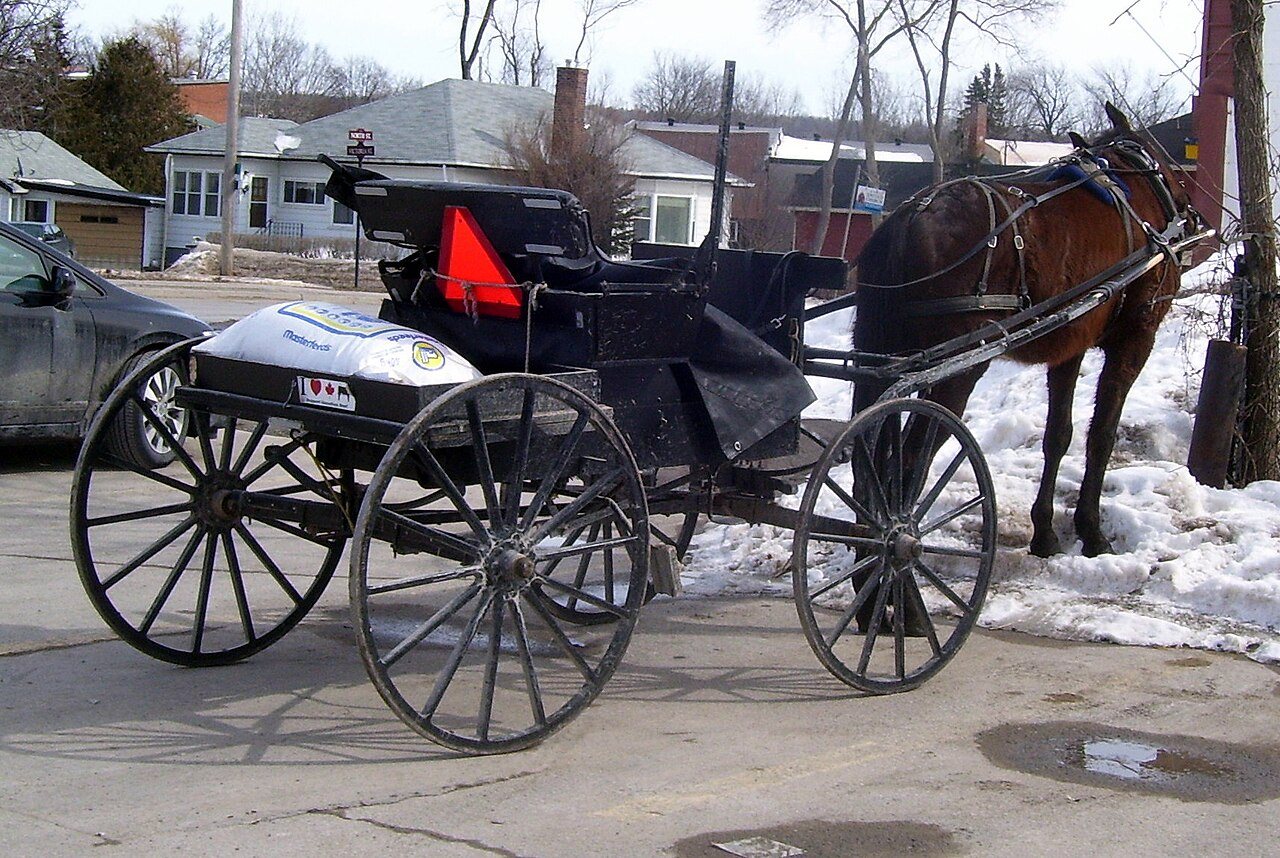
Team 7 · Buggy
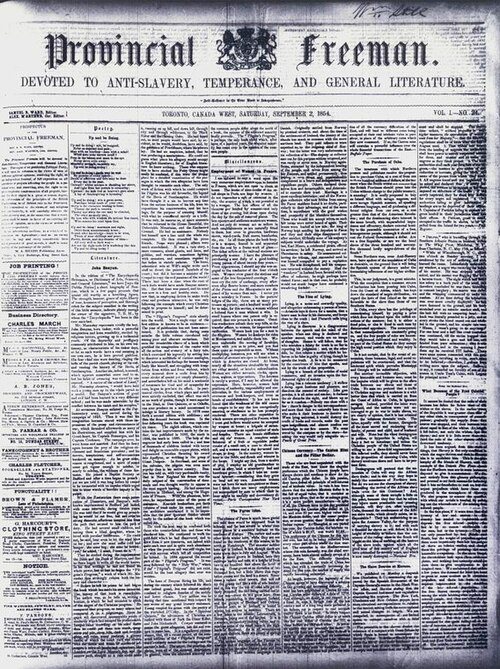
Team 8 · Newspaper
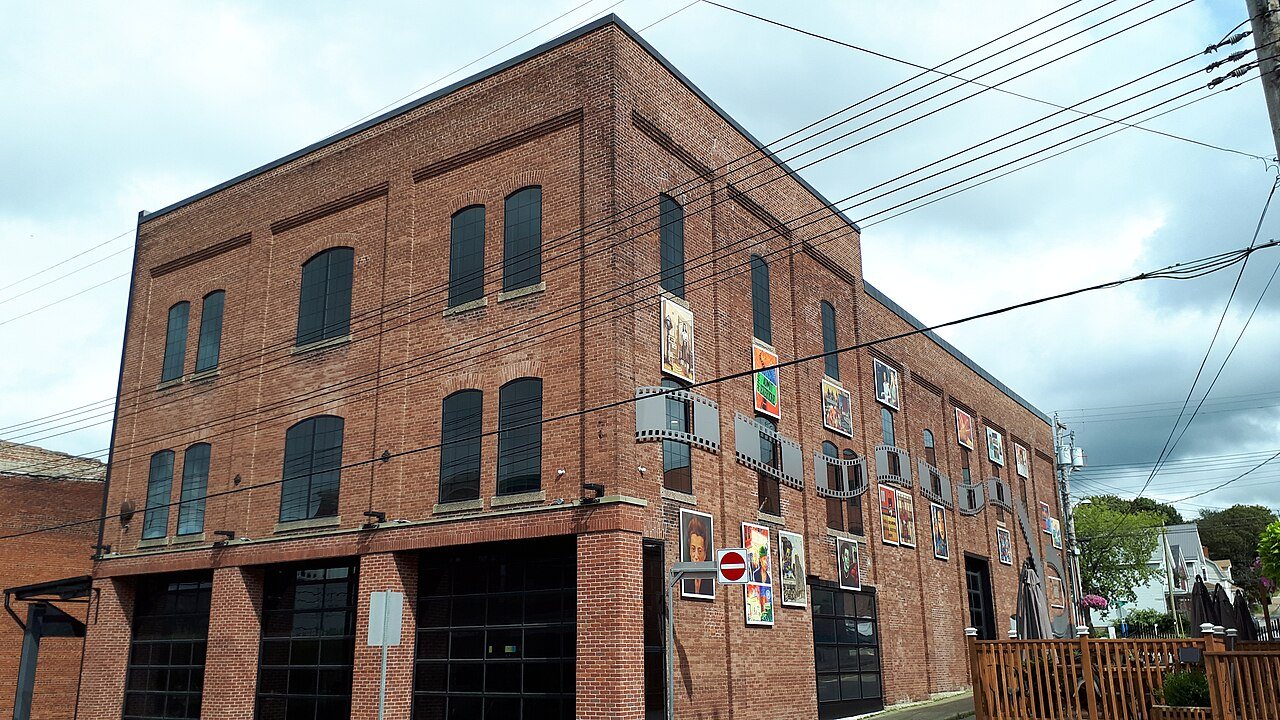
Team 9 · Theatre
Birchbark Canoe
Object 1 · Team 1 pitches
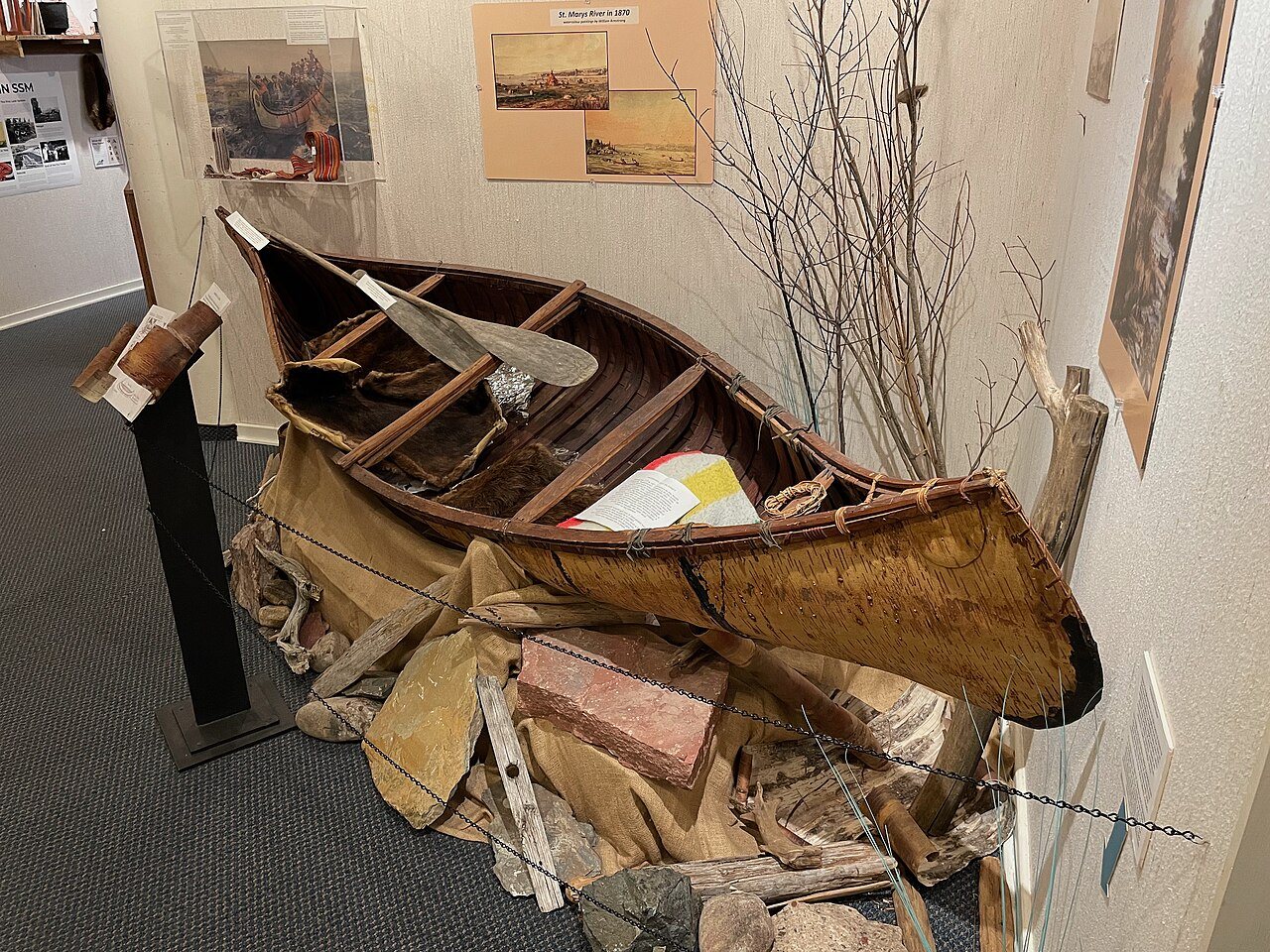
Made from tree bark. Light enough to carry on your shoulders, strong enough to carry 4 tons of furs.
A
Inuit
B
Anishinaabe & other First Nations
C
British settlers
D
Acadians
Photo: Fungus Guy · CC BY 4.0
Birchbark Canoe
Object 1 · Answer
A
Inuit
B
Anishinaabe & other First Nations
C
British settlers
D
Acadians
Indigenous peoples perfected the birchbark canoe. Fur traders copied it: the big canot du maître carried about 4 tons of cargo and 12 paddlers.
Source: Canadian Museum of History · Photo: Fungus Guy · CC BY 4.0
Kayak (qajaq)
Object 2 · Team 2 pitches
A one-person boat covered in seal or caribou skin, used in the Arctic for over 2,000 years.
A
Métis
B
Mi’kmaq
C
Inuit
D
Mennonites
Photo: Ville Miettinen · CC BY 2.0
Kayak (qajaq)
Object 2 · Answer
A
Métis
B
Mi’kmaq
C
Inuit
D
Mennonites
Inuit have used kayaks for over 2,000 years, according to oral tradition. Seal or caribou skin was stretched over a driftwood frame.
Source: The Canadian Encyclopedia, “Kayak” · Photo: Ville Miettinen · CC BY 2.0
Woven Sash
Object 3 · Team 3 pitches
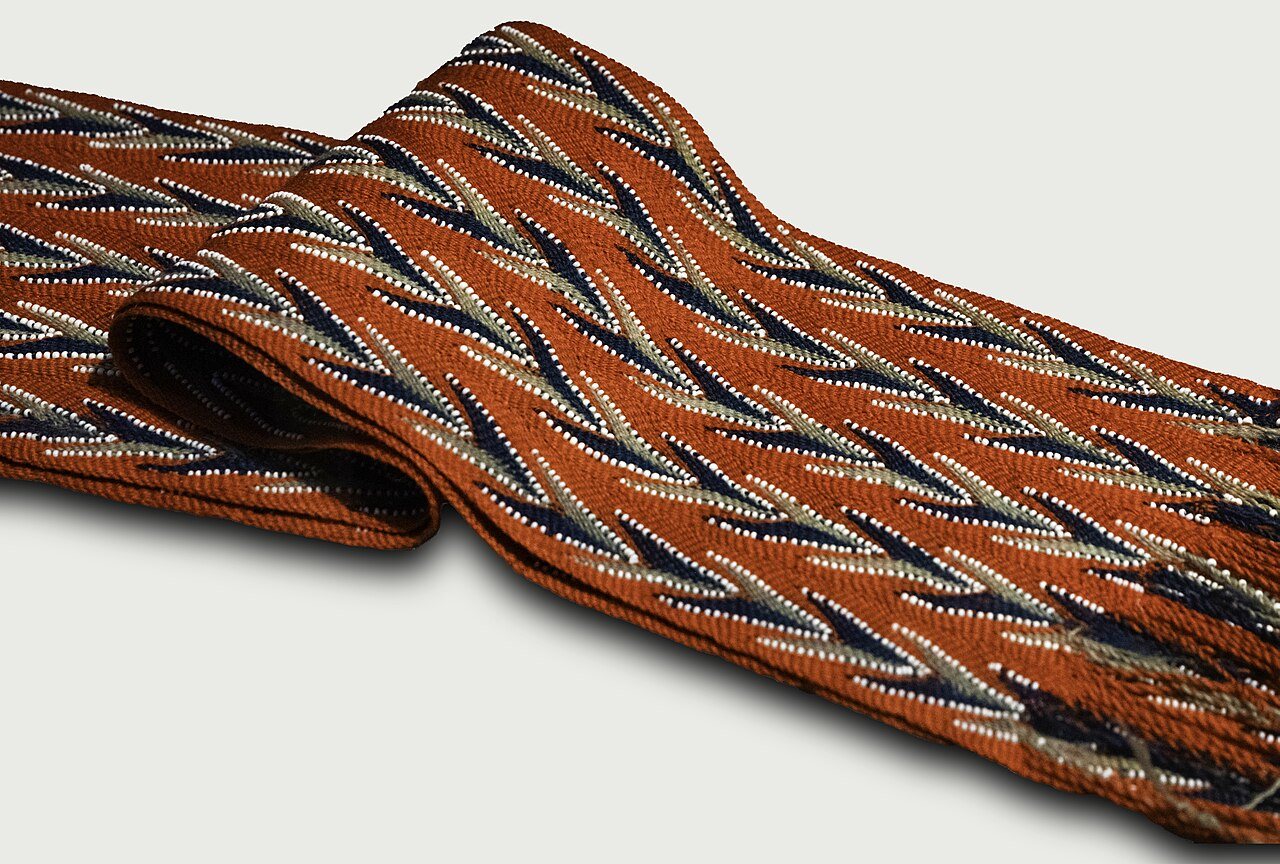
Woven from wool, worn around the waist. Fur traders used it as a rope, a towel and a back brace.
A
Métis
B
Chinese Canadians
C
Haudenosaunee
D
British settlers
Photo: Wilfredor · CC0
Woven Sash
Object 3 · Answer
A
Métis
B
Chinese Canadians
C
Haudenosaunee
D
British settlers
First Nations finger-weaving plus European wool. Voyageurs used the sash as a back brace, rope and towel. Today it says: “We are Métis.”
Source: M. Margaret Froh, Métis Nation of Ontario · Photo: Wilfredor · CC0
Two Row Wampum
Object 4 · Team 4 pitches
A belt of purple and white beads. Two purple rows stand for two peoples travelling side by side.
A
Inuit
B
Haudenosaunee
C
French settlers
D
Black Canadians
Photo: Nativemedia · CC BY-SA 4.0
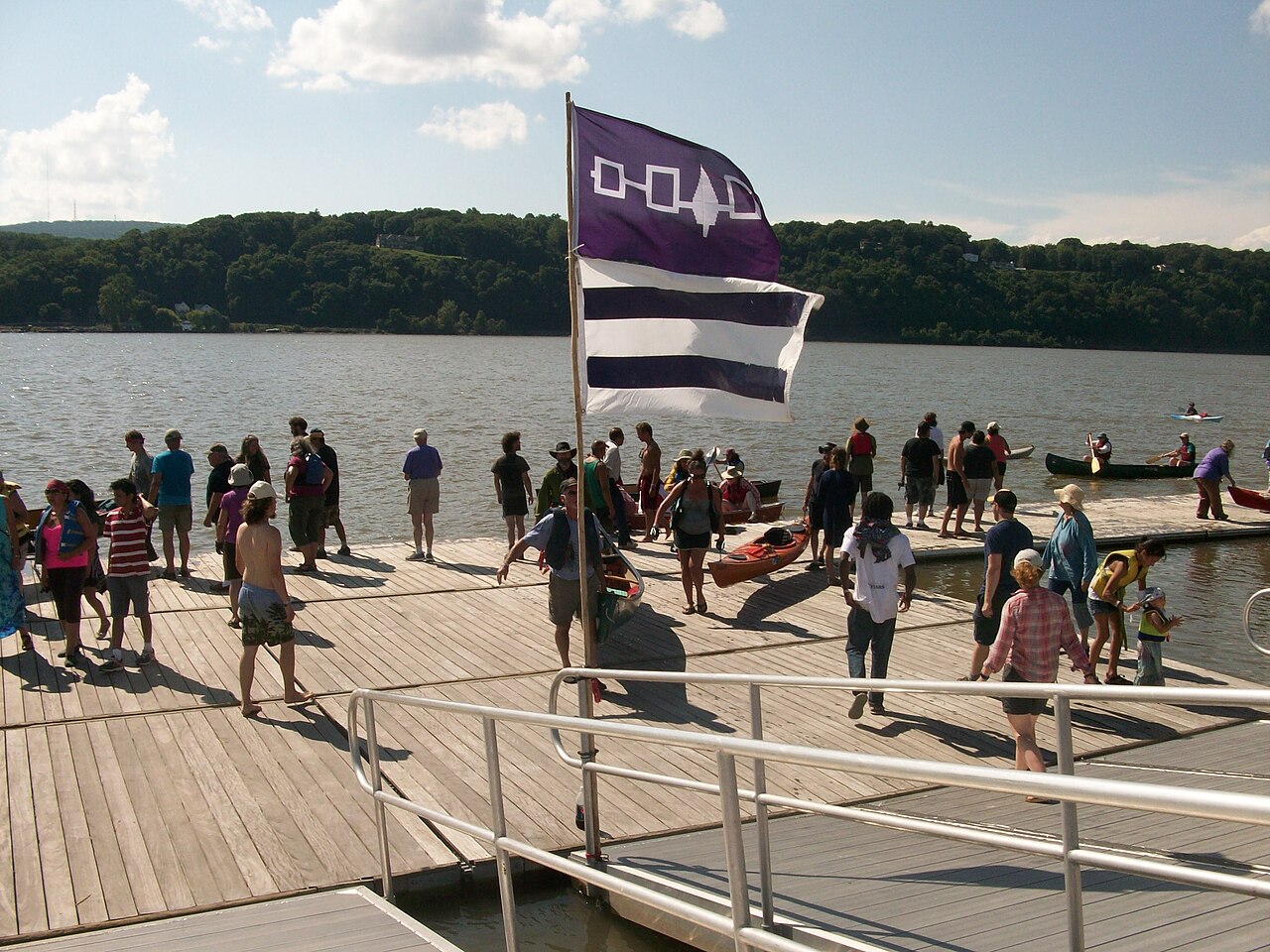
Two Row Wampum
Object 4 · Answer
A
Inuit
B
Haudenosaunee
C
French settlers
D
Black Canadians
Haudenosaunee Knowledge Keepers trace this agreement with the Dutch to 1613. Two rows: a canoe and a ship, side by side, neither steering the other.
Sources: Onondaga Nation; Karine Duhamel, CMHR · Photo: Gorgenkor · CC BY-SA 3.0
The Last Spike
Object 5 · Team 5 pitches
Thousands of workers hammered spikes like this through the mountains of British Columbia in the 1880s.
A
Mennonites
B
Acadians
C
Chinese Canadians
D
Métis
Photo: an old railway spike · James St. John · CC BY 2.0
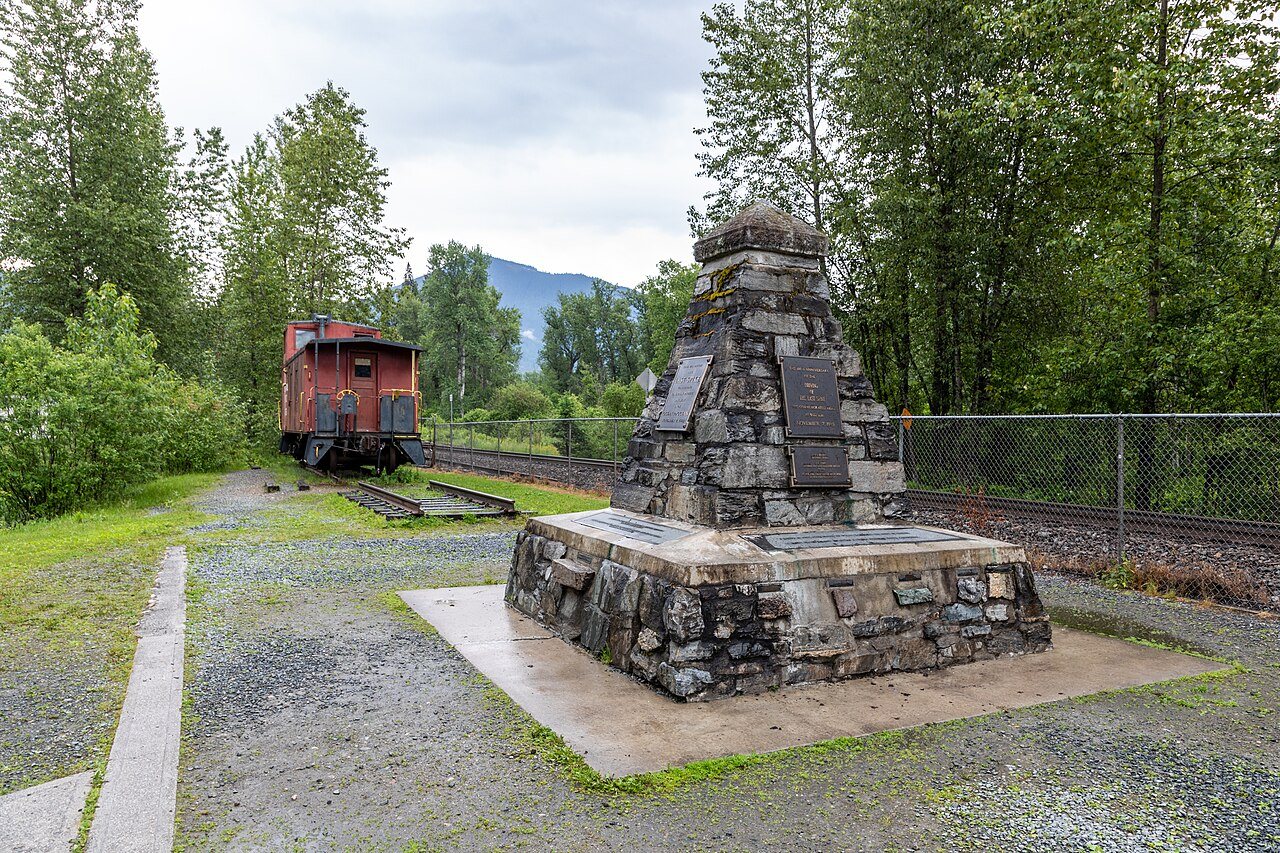
The Last Spike
Object 5 · Answer
A
Mennonites
B
Acadians
C
Chinese Canadians
D
Métis
About 15,000 Chinese workers came to B.C. in the early 1880s and helped build the railway. Then Canada charged Chinese newcomers a head tax: $50 in 1885, $500 by 1903.
Source: The Canadian Encyclopedia · Photo: Last Spike monument, B.C., Dietmar Rabich · CC BY-SA 4.0
A Flag
Object 7 · Team 6 pitches
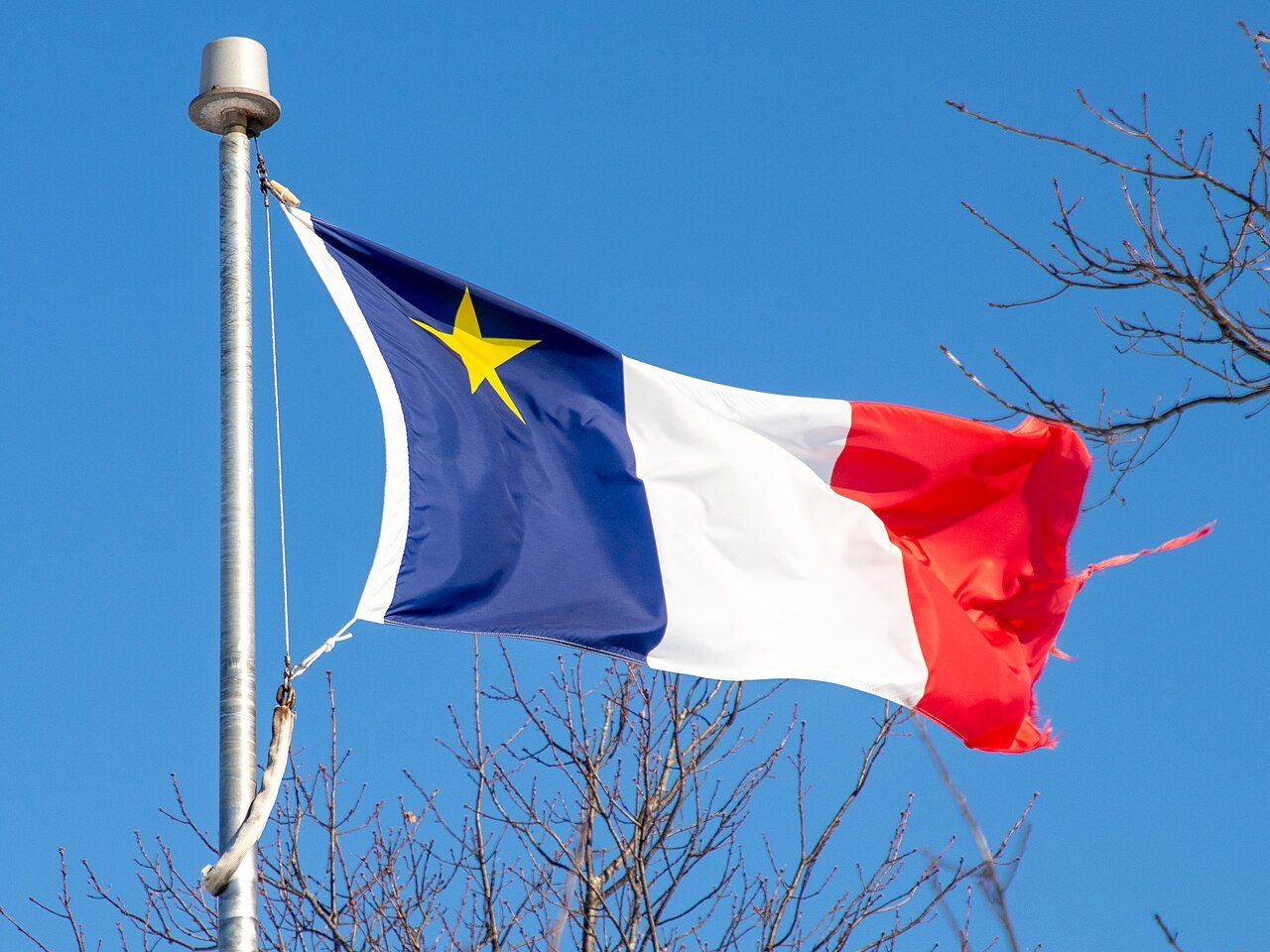
Blue, white and red with a gold star for Mary. Chosen in 1884 in Prince Edward Island.
A
Acadians
B
Métis
C
Haudenosaunee
D
Mennonites
Photo: Hayden Soloviev · CC BY 4.0
A Flag
Object 7 · Answer
A
Acadians
B
Métis
C
Haudenosaunee
D
Mennonites
Chosen on August 15, 1884, in Miscouche, P.E.I.: the French tricolour plus a gold star, the Stella Maris, which stands for Mary.
Source: The Canadian Encyclopedia · Photo: Hayden Soloviev · CC BY 4.0
Horse & Buggy
Object 8 · Team 7 pitches
In 1800, families arrived from Pennsylvania and settled along the Grand River, right here in our region.
A
Inuit
B
Black Canadians
C
Mennonites
D
Acadians
Photo: Robert Taylor · CC BY 2.0
Horse & Buggy
Object 8 · Answer
A
Inuit
B
Black Canadians
C
Mennonites
D
Acadians
In 1800, Mennonite families from Pennsylvania settled along the Grand River, on land that had belonged to the Six Nations: the first large inland settlement in Upper Canada.
Sources: Ontario Heritage Trust; Woolwich · Photo: Robert Taylor · CC BY 2.0
A Newspaper
Object 9 · Team 8 pitches
Started in 1853 by a woman who told readers: “Self-reliance is the true road to independence.”
A
Black Canadians
B
Chinese Canadians
C
Métis
D
Mennonites
Public domain
A Newspaper
Object 9 · Answer
A
Black Canadians
B
Chinese Canadians
C
Métis
D
Mennonites
Mary Ann Shadd started the Provincial Freeman in 1853: the first newspaper in North America founded and edited by a Black woman.
Source: The Canadian Encyclopedia · The Provincial Freeman, public domain
A Movie Theatre
Object 10 · Team 9 pitches
In 1946, a woman refused to leave her seat here. In 2018, her face appeared on Canada’s $10 bill.
A
Acadians
B
Black Canadians
C
Inuit
D
British settlers
Photo: Dan Conlin · CC BY-SA 4.0
A Movie Theatre
Object 10 · Answer
A
Acadians
B
Black Canadians
C
Inuit
D
British settlers
On November 8, 1946, Viola Desmond refused to leave the whites-only section of the Roseland Theatre in New Glasgow, N.S. Nova Scotia pardoned her in 2010.
Sources: Parks Canada; Bank of Canada · Photo: Dan Conlin · CC BY-SA 4.0
2 minutes · decide quietly
Museum Tickets
Your team has 5 tickets: one per object.
Never on your own object.
Each ticket: object · test number · one fact from the pitch.
No fact? The ticket doesn’t count.
Railway spike
Test 3: a story people miss
Fact: about 15,000 Chinese workers helped build the railway.
On my signal, runners post together. Then we count.
The results
Canada in 5 Objects
1
2
3
4
5
Which one was hardest to cut?
Whose story is missing from our five?
Curators choose what gets remembered.
By the end of this unit, you will write one of these stories.
Your chapter
1–2 pages about a community or person who shaped Canada.
Our book
Every chapter together: Our Canada, Vol. 1.
The library
It goes on our school library shelf. For real.
Notebook · Page 1
Title: Canada in 10 Objects
1
The object you’d fight to keep in our museum.
2
Why does it matter? Use one fact from a pitch.
3
Draw an 11th object for Canada’s story. Say why.
Your 11th object can come from your family, your town, or a person you admire.
DONE?
1 Level Up: rank all 10 objects with the curator tests
2 Help a teammate finish
3 Book work: a title for our book
Point of view
Through their eyes
Nitro
A Chinese worker building the railway in B.C., 1880s.
Watch for: What did he have to deal with that the boss did not?
Viola Desmond
A Black businesswoman at the Roseland Theatre, Nova Scotia, 1946.
Watch for: What did she have to deal with that other moviegoers did not?
Big idea
The same event looks different depending on who is telling it. How would the railway boss or the theatre manager tell these stories?
Videos: Heritage Minutes, Historica Canada (linked, not copied) · Photos: Dietmar Rabich, CC BY-SA 4.0; Dan Conlin, CC BY-SA 4.0
Photo credits
| Image | Creator | Licence |
|---|---|---|
| Birchbark canoe | Fungus Guy, via Wikimedia Commons | CC BY 4.0 |
| Inuit kayak, Greenland | Ville Miettinen, via Wikimedia Commons | CC BY 2.0 |
| Woven sash | Wilfredor, via Wikimedia Commons | CC0 |
| Two Row Wampum | Nativemedia, via Wikimedia Commons | CC BY-SA 4.0 |
| Two Row paddle, 2013 | Gorgenkor, via Wikimedia Commons | CC BY-SA 3.0 |
| Railway spike | James St. John, via Wikimedia Commons | CC BY 2.0 |
| Last Spike monument | Dietmar Rabich, via Wikimedia Commons | CC BY-SA 4.0 |
| Carving hockey sticks | Photographer unknown | Public domain |
| Eaton’s catalogue, 1904 | Eaton’s | Public domain |
| Acadian flag | Hayden Soloviev, via Wikimedia Commons | CC BY 4.0 |
| Mennonite buggy | Robert Taylor, via Wikimedia Commons | CC BY 2.0 |
| Provincial Freeman | Mary Ann Shadd, publisher | Public domain |
| Roseland Theatre | Dan Conlin, via Wikimedia Commons | CC BY-SA 4.0 |
Split-grade classes only
Swap rounds
5/6 class
Object 7 → Three Sisters Garden
Object 9 → Port-Royal Habitation
6/7 class
Object 2 → Haldimand Proclamation
Object 10 → Rideau Canal
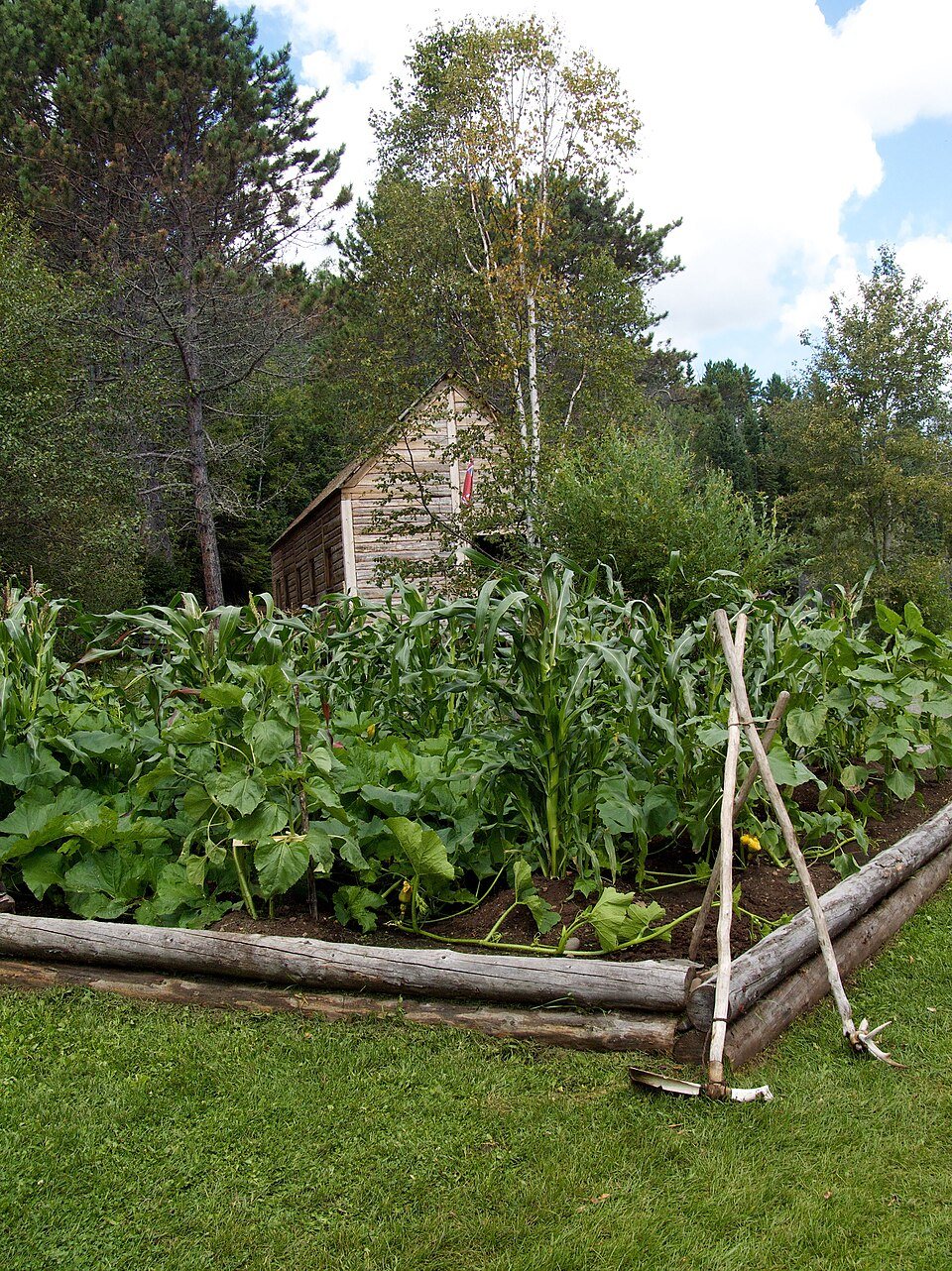
Three Sisters Garden
5/6 · Object 7 swap · Grade 5 team
Corn, beans and squash planted together in one mound. Each plant helps the others grow.
A
Haudenosaunee
B
Acadians
C
Inuit
D
British settlers
Photo: U.S. National Park Service · public domain
Three Sisters Garden
5/6 · Object 7 · Answer
A
Haudenosaunee
B
Acadians
C
Inuit
D
British settlers
Corn goes in first. Beans climb the corn and feed the soil, and squash leaves shade the ground to keep it moist. They are “real sisters” because they help each other.
Source: Onondaga Nation, The Three Sisters · Photo: U.S. National Park Service
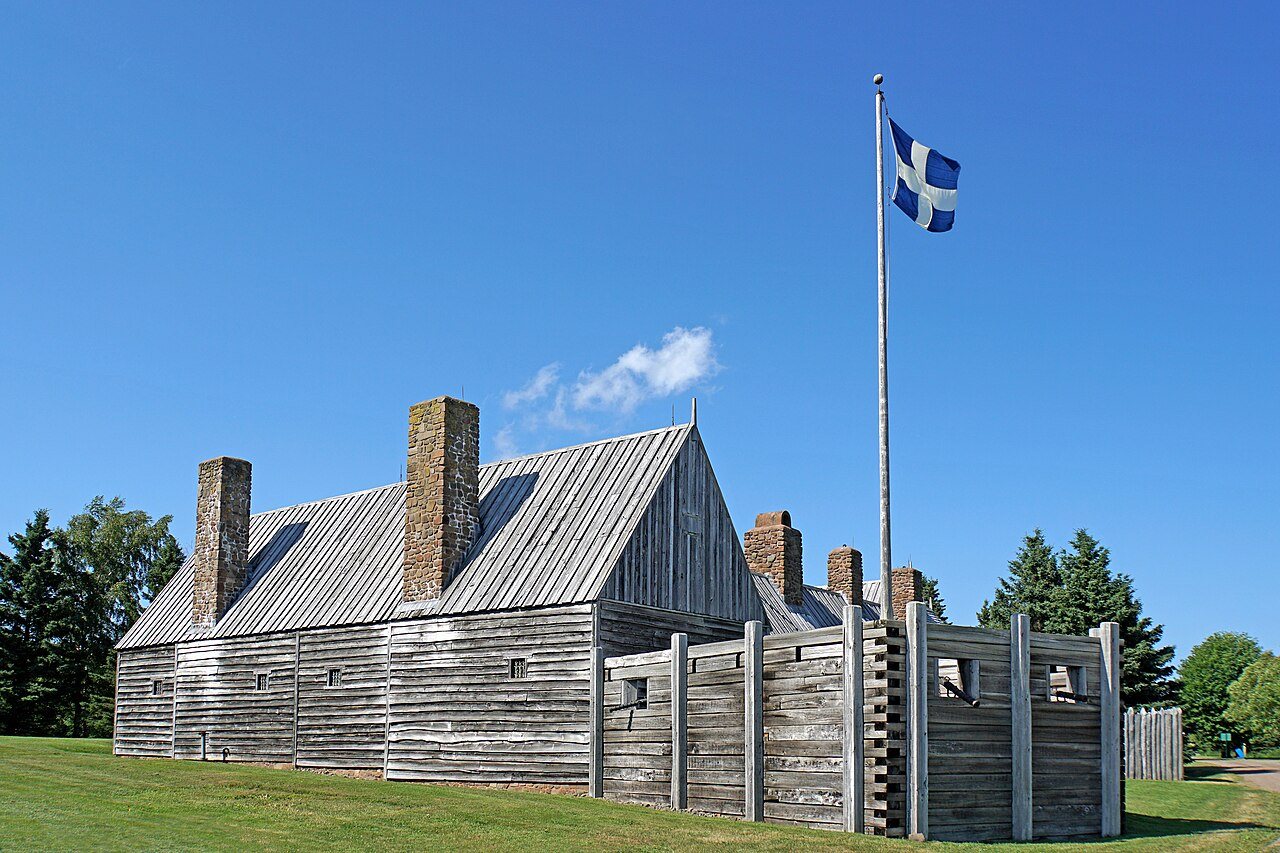
Port-Royal Habitation
5/6 · Object 9 swap · Grade 5 team
Built in 1605 in what is now Nova Scotia. In 1606 it hosted the first play ever performed in Canada.
A
Mi’kmaq
B
French settlers
C
Métis
D
Mennonites
Reconstructed Habitation · Photo: Dennis G. Jarvis · CC BY-SA 2.0
Port-Royal Habitation
5/6 · Object 9 · Answer
A
Mi’kmaq
B
French settlers
C
Métis
D
Mennonites
A French expedition led by Pierre Dugua de Monts and Samuel de Champlain built it in 1605, in Mi’kmaw territory. Champlain started the Order of Good Cheer there.
Source: The Canadian Encyclopedia · Photo: Dennis G. Jarvis · CC BY-SA 2.0
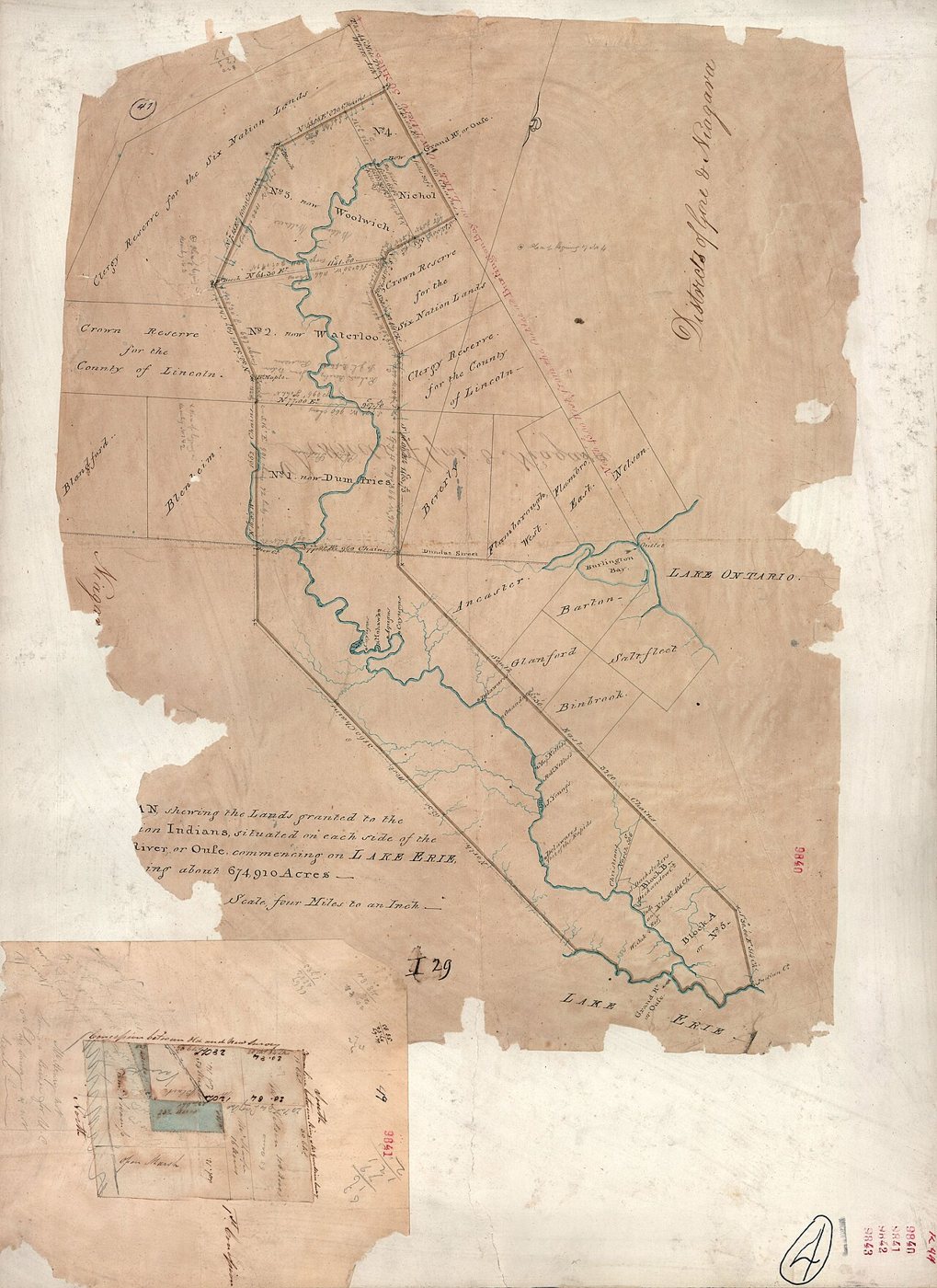
Haldimand Proclamation
6/7 · Object 2 swap · Grade 7 team
1784: land six miles deep on each side of the Grand River was promised to one group. Our school sits inside it.
A
Loyalist farmers
B
Six Nations (Haudenosaunee)
C
Mennonites
D
Métis
Map: Thomas Ridout, 1821 · public domain
Haldimand Proclamation
6/7 · Object 2 · Answer
A
Loyalist farmers
B
Six Nations (Haudenosaunee)
C
Mennonites
D
Métis
A promise to the Six Nations for their alliance with the British. About 950,000 acres were promised. Today about 48,000 acres remain Six Nations land.
Sources: Six Nations of the Grand River; University of Waterloo · Map: T. Ridout, 1821
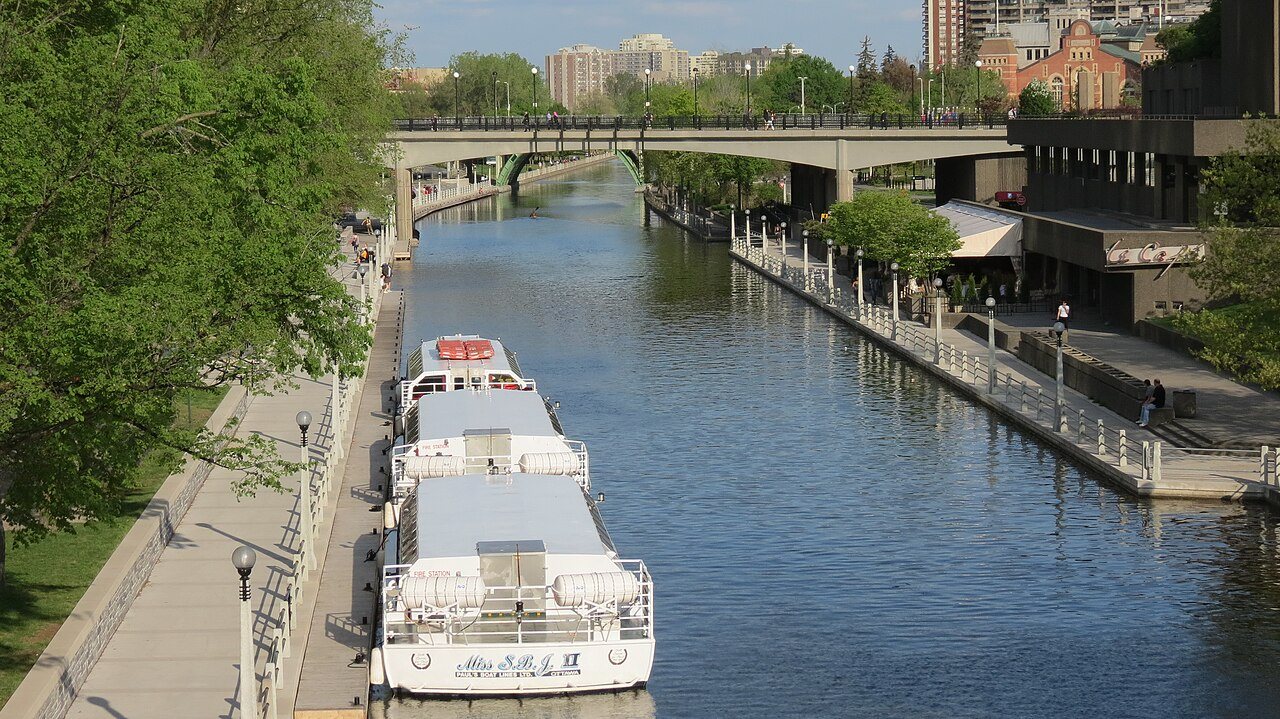
Rideau Canal
6/7 · Object 10 swap · Grade 7 team
Built 1826–1832: a 202 km water route, dug mostly by hand, so the army could move without passing the U.S. border.
A
Irish labourers
B
Chinese railway workers
C
Acadians
D
Inuit
Photo: Robert Linsdell · CC BY 2.0
Rideau Canal
6/7 · Object 10 · Answer
A
Irish labourers
B
Chinese railway workers
C
Acadians
D
Inuit
Up to 2,000 men at a time, many of them new Irish immigrants. Many died of malaria from the swamps. Today it is a UNESCO World Heritage Site.
Source: The Canadian Encyclopedia · Photo: Robert Linsdell · CC BY 2.0
Split-grade notebook
Same page, your grade’s question
Grade 5
Pick the Three Sisters or Port-Royal. Who shared what with whom? Who benefited?
Grade 6
Pick one object. Whose story does it tell? What is one thing it leaves out?
Grade 7
Pick Haldimand or the Rideau. What was promised or built, and who paid the price?
Swap-round credits
Three Sisters garden: U.S. National Park Service, public domain, via Wikimedia Commons.
Port-Royal Habitation: Dennis G. Jarvis, “NS-02250 - Port Royal Habitation,” CC BY-SA 2.0, via Wikimedia Commons.
Grand River lands map: Thomas Ridout, 1821, public domain, via Wikimedia Commons.
Rideau Canal Locks, Ottawa: Robert Linsdell, CC BY 2.0, via Wikimedia Commons.
Facts: Onondaga Nation, The Three Sisters ● · Six Nations of the Grand River, “Haldimand Proclamation” ● · University of Waterloo land acknowledgement · The Canadian Encyclopedia, “Port-Royal” and “Rideau Canal.” ● = Indigenous-authored.